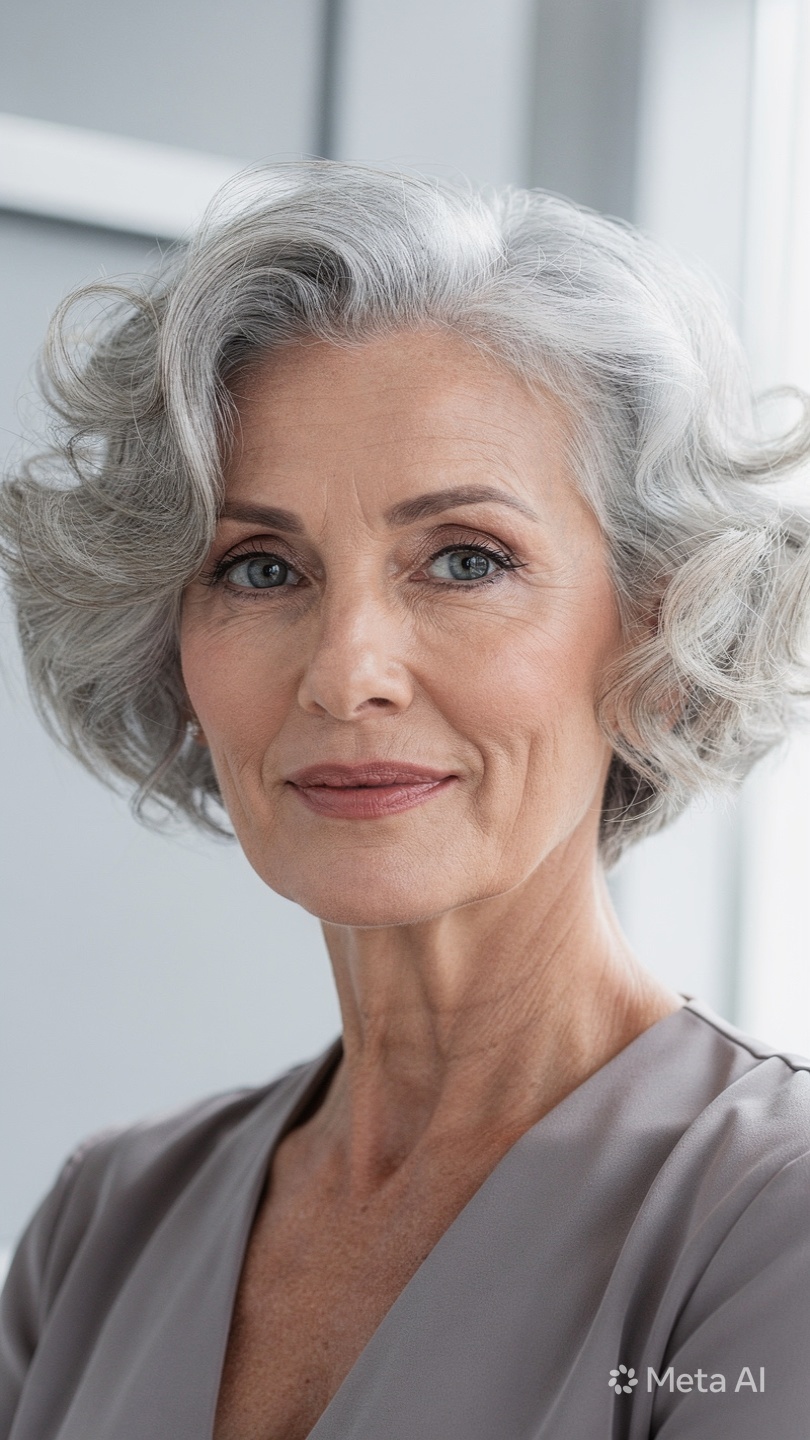
Hair After 60: The Truth No One Tells Older Women
There’s a quiet shift that happens after 60 one that no one really prepares you for. It’s not just about wrinkles or slowing down. It’s something subtler, more personal, and often more emotional: your hair.
For decades, your hair may have been your signature. Thick, glossy, easy to manage or at least predictable. Then suddenly, it starts behaving differently. It feels thinner. Drier. Sometimes frizzier, sometimes flatter. Styles that once looked effortless now feel… off.
And here’s the truth no one tells older women: it’s not just your hair that’s changing it’s your entire relationship with it.
Let’s talk honestly about what’s really happening to your hair after 60 and how you can not only manage it, but love it again.
Why Hair After 60 Feels So Different
One of the biggest surprises women face is how dramatically their hair texture and behavior can change seemingly overnight.
After menopause, your body produces less estrogen. This hormone played a major role in keeping your hair thick, shiny, and growing steadily. Without it, hair follicles shrink, strands become finer, and growth slows down.
You might notice:
- Your ponytail feels thinner
- Hair doesn’t grow as long as it used to
- More scalp becomes visible
- Strands feel dry or wiry
But here’s what no one tells you: this isn’t damage it’s biology. And once you understand that, everything changes.
Instead of fighting your hair, you can start working with it.
The Myth of “Short Hair Only” After 60
For generations, women have been told there’s an unspoken rule: once you hit a certain age, you should cut your hair short.
But let’s be honest—this rule is outdated.
Yes, short hair can be chic, easy, and flattering. But it’s not the only option.
The real truth? The best hairstyle after 60 isn’t about age it’s about:
- Face shape
- Hair density
- Lifestyle
- Personal style
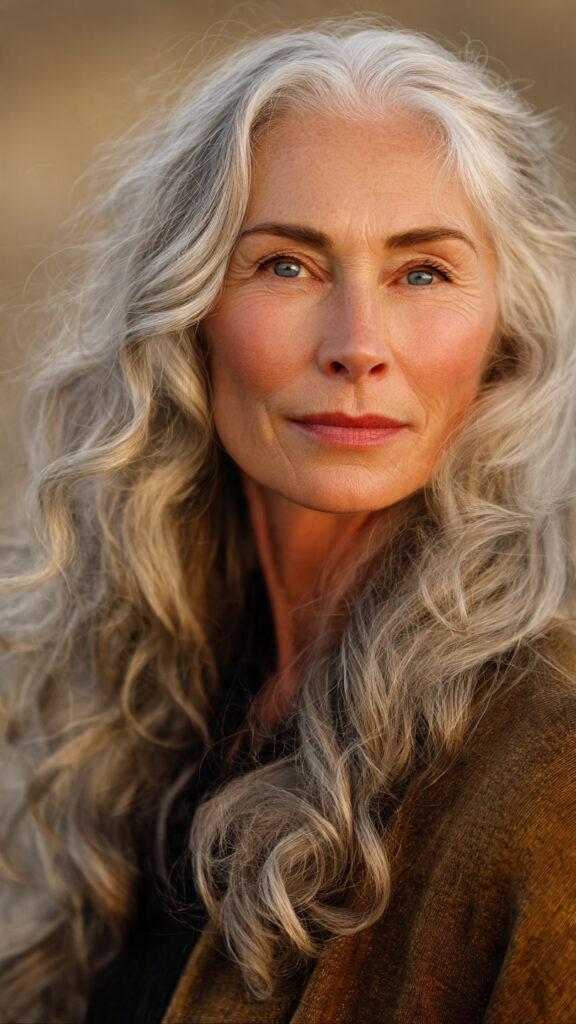
Some women look incredible with a sleek bob. Others glow with soft shoulder-length layers. Some even carry long, silver waves with elegance and confidence.
The key isn’t length it’s movement, softness, and health.
The Real Reason Your Hair Feels Thinner
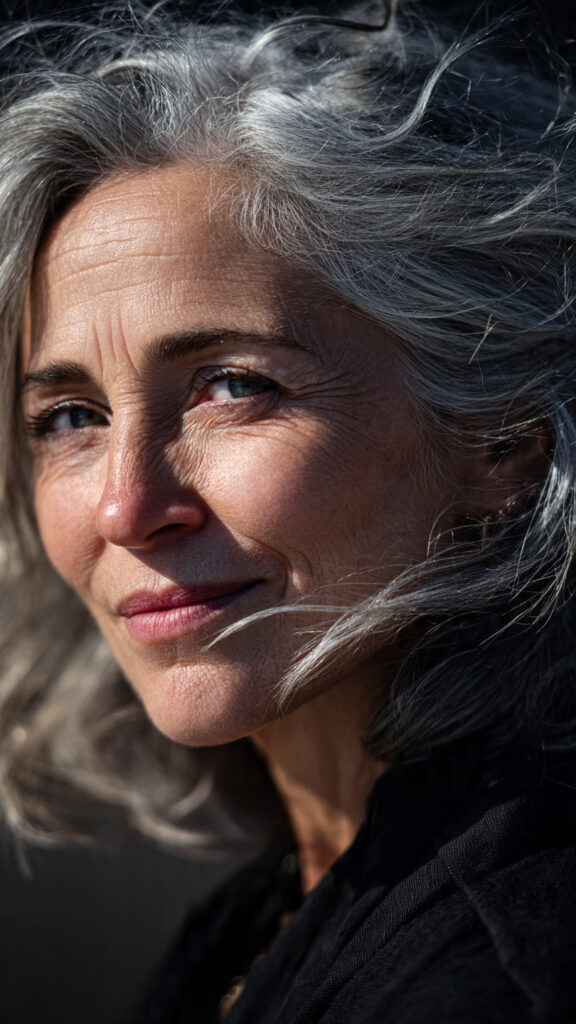
If you’ve been wondering, “Why is my hair suddenly so thin?” you’re not imagining it.
Hair thinning after 60 is incredibly common, and it happens for several reasons:
1. Hormonal Changes
Lower estrogen and progesterone levels mean less support for hair growth.
2. Slower Growth Cycle
Hair grows more slowly and sheds more easily.
3. Reduced Density
Hair follicles produce finer strands over time.
4. Nutritional Gaps
As we age, absorption of nutrients like iron, biotin, and protein may decrease.
Here’s the part people don’t talk about: thick hair doesn’t define beauty at this stage. What matters is how you style and care for what you have.
Dryness: The Silent Hair Struggle After 60
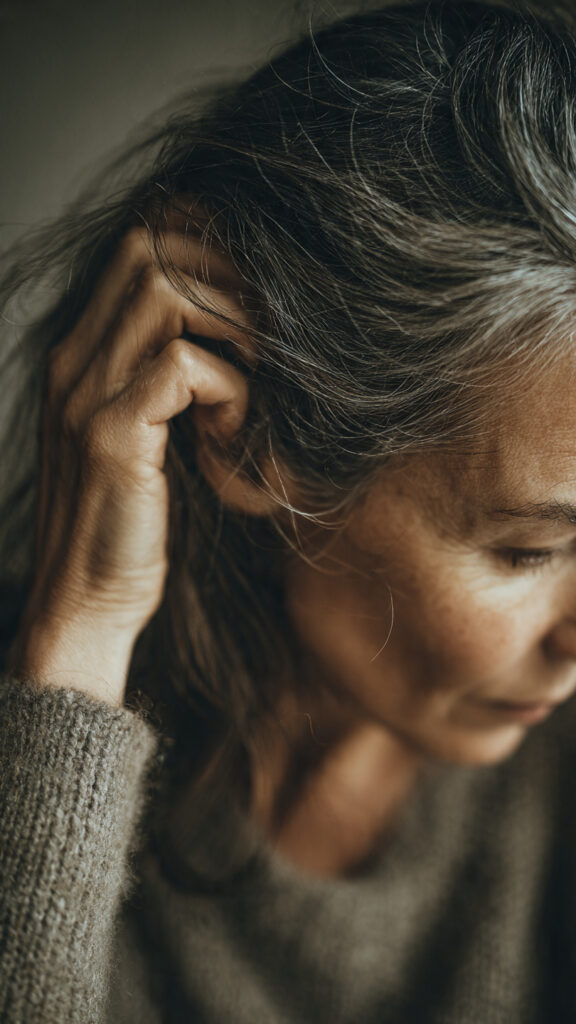
Another truth no one mentions enough? Dryness becomes one of your biggest hair challenges.
Your scalp produces less natural oil as you age. That means:
- Hair feels rough or brittle
- Shine disappears
- Ends split more easily
And if you’re still using the same products you used in your 30s or 40s, they might actually be making things worse.
What works now is different:
- Hydrating shampoos instead of clarifying ones
- Lightweight oils instead of heavy serums
- Deep conditioning treatments regularly
Healthy hair after 60 isn’t about volume—it’s about moisture and softness.
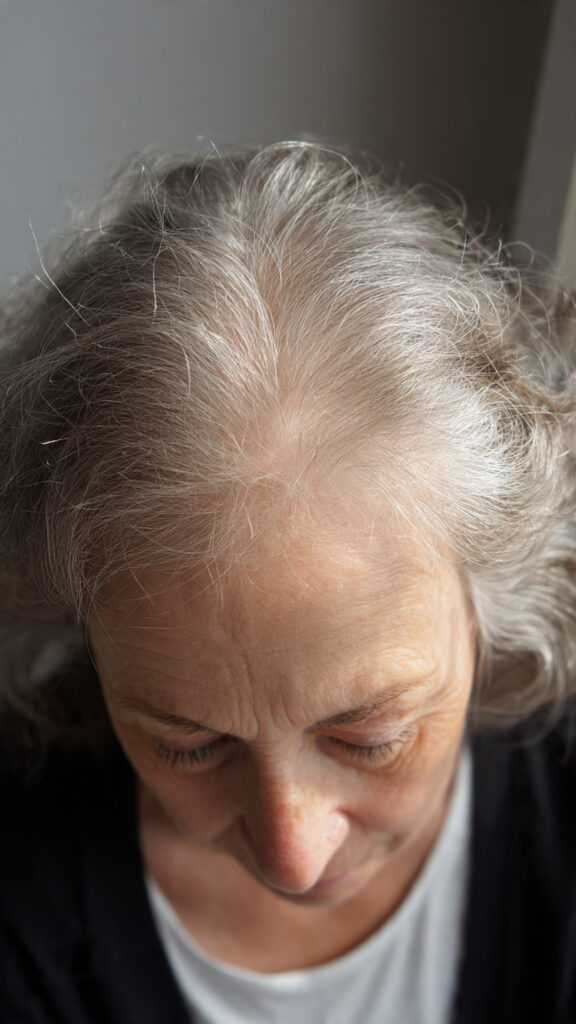
Gray Hair: The Truth Behind the Shine (or Lack of It)
Going gray is often seen as a bold, freeing step. But what many women don’t expect is how different gray hair feels.
Gray hair tends to be:
- Coarser
- More wiry
- Prone to dryness
- Less reflective (which reduces shine)
So when women say, “My gray hair doesn’t look as nice as I imagined,” it’s not about the color—it’s about texture.
The secret is learning how to care for gray hair properly:
- Use purple shampoos to prevent yellow tones
- Add moisture to combat coarseness
- Use shine-enhancing products
Gray hair can be stunning but it requires a different kind of attention.
Visit Now : Hair After 60: The Truth No One Tells Older Women
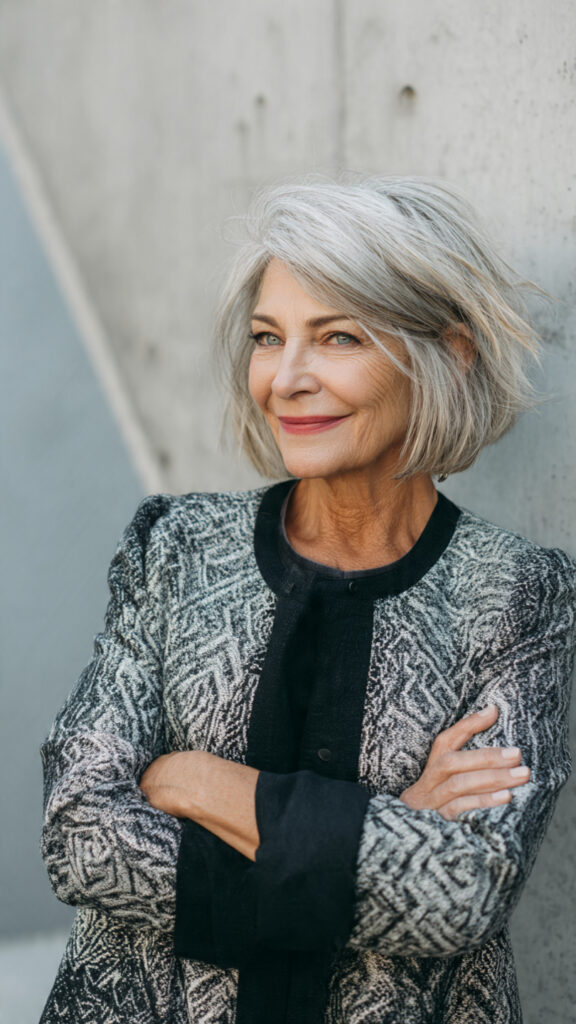
The Emotional Side of Hair Changes
This is the part people rarely talk about.
Hair is deeply tied to identity. When it changes, it can feel like losing a part of yourself.
You might find yourself thinking:
- “I don’t feel like me anymore”
- “Why does everything look different?”
- “I miss how my hair used to be”
These feelings are completely valid.
But here’s a powerful shift: instead of chasing your old hair, start discovering your new style.
Because this phase isn’t about loss—it’s about reinvention.
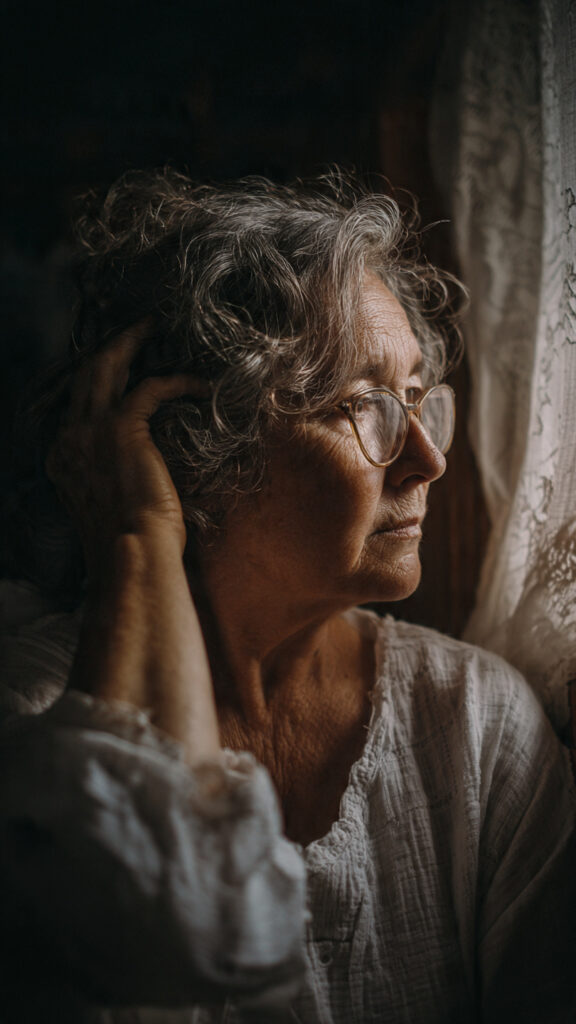
Hairstyles That Truly Work After 60
Let’s move beyond generic advice and talk about what actually works.
Soft Layered Cuts
Layers create movement and make hair appear fuller without adding weight.
Textured Bobs
A modern bob with texture adds dimension and keeps things youthful.
Shoulder-Length Styles
Perfect for women who don’t want to go too short but need manageability.
Pixie Cuts with Volume
A well-cut pixie can look bold, stylish, and incredibly flattering.
Natural Waves and Texture
Instead of fighting your hair, embrace its natural pattern.
The goal isn’t to look younger—it’s to look vibrant, confident, and effortlessly put together.
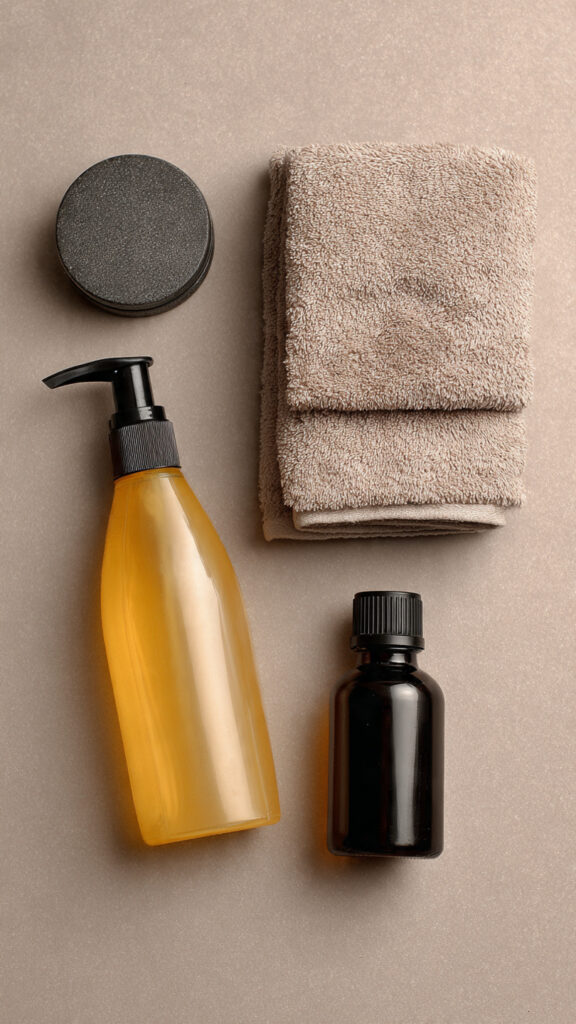
Styling Mistakes That Age Your Hair Instantly
Sometimes, it’s not your hair—it’s how you’re styling it.
Here are common mistakes to avoid:
Overusing Heat Tools
Heat can make already fragile hair more brittle.
Heavy Products
Thick creams and gels can weigh down fine hair.
Flat, One-Length Cuts
These can make hair look lifeless and thinner.
Ignoring Volume at the Roots
Lift at the roots creates the illusion of fuller hair.
Small changes in styling can make a huge difference.
Visit Now : Hair After 60: The Truth No One Tells Older Women
The Secret to Fuller-Looking Hair (Even If It’s Thin)
You don’t need thick hair to make your hair look full.
Here’s what actually works:
- Blow-dry with a round brush for lift
- Use volumizing mousse at the roots
- Flip your part slightly for added volume
- Choose layered cuts over blunt ones
It’s all about illusion not density.
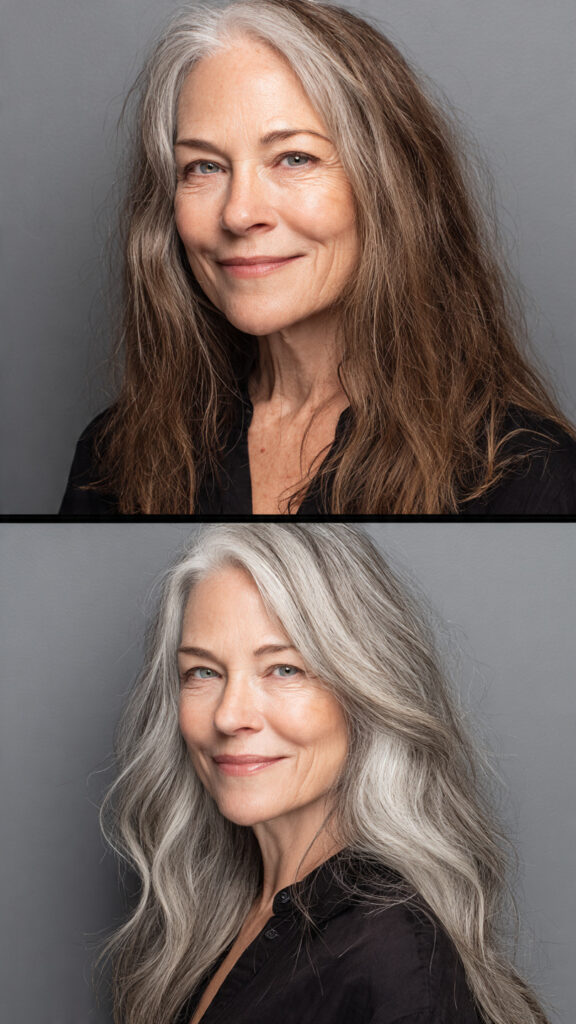
Hair Color After 60: What No One Tells You
Coloring your hair after 60 comes with its own challenges.
Your hair may not hold color the same way. It might feel drier after coloring. And certain shades can either brighten your face or wash you out completely.
The real secret?
Go softer.
Instead of harsh, dark colors, consider:
- Warm blondes
- Soft browns
- Blended highlights
- Silver blending techniques
Color should enhance your features, not overpower them.
Confidence: The Most Important Hair Upgrade
At the end of the day, the most beautiful thing you can wear is confidence.
And confidence doesn’t come from perfect hair—it comes from accepting and embracing where you are.
Hair after 60 isn’t worse. It’s different.
And different can be beautiful.
When you stop trying to force your hair to be what it used to be, you open the door to styles, textures, and looks you may have never considered before.
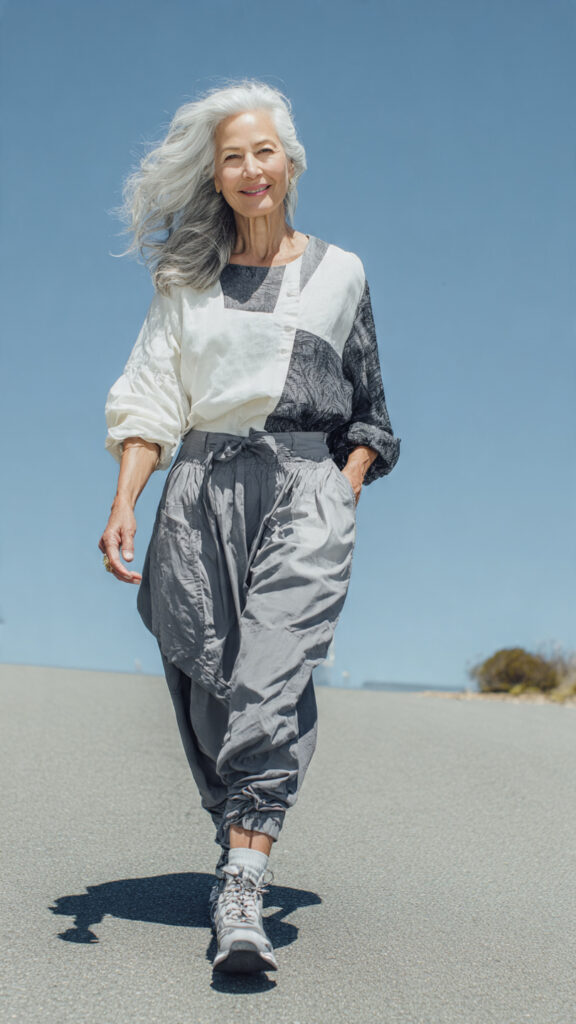
A New Relationship With Your Hair
Think of this stage as a reset.
You’re no longer following trends blindly. You’re choosing what works for you.
You’re not trying to impress you’re expressing.
And that shift changes everything.
Your hair becomes less about perfection and more about personality.
Less about rules and more about freedom.
Final Thoughts: The Truth No One Tells Older Women
Here’s the truth, plain and simple:
Your hair after 60 will change.
It may become thinner.
It may become drier.
It may not behave the way it used to.
But it can still be beautiful.
It can still be stylish.
And most importantly it can still feel like you.
The real transformation isn’t in your hair—it’s in how you see it.
When you let go of old expectations and embrace what your hair is now, you don’t lose beauty you redefine it.
And that’s something no age can take away.