20 Trendy Vintage Outfit Inspiration Ideas for Every Era
Vintage Outfit Inspiration Ideas are the perfect starting point for anyone looking to break away from the cycles of fast fashion and embrace a more curated, personal aesthetic. By looking to the past, you can discover a world of timeless silhouettes and bold patterns that offer a refreshing sense of individuality in a modern world.
Exploring these creative concepts allows you to blend history with contemporary flair, ensuring that your wardrobe feels both nostalgic and innovative. This collection focuses on the sheer variety of styles available across the decades, inviting you to experiment with different eras to find the look that best expresses your unique personality.
Best Vintage Outfit Inspiration Ideas to Try
The following selection of Vintage Outfit Inspiration Ideas highlights the diverse ways you can incorporate classic elements into your daily rotation. Whether you are drawn to the structured elegance of mid-century tailoring or the rebellious energy of later decades, there is an abundance of visual concepts here to spark your imagination.
These concepts are designed to help you see old garments in a new light, encouraging a playful approach to dressing up and styling. From casual daytime ensembles to more sophisticated evening attire, these ideas serve as a comprehensive guide for anyone eager to infuse their life with a touch of historical charm.
Mid-Century Tea Dress Sophistication
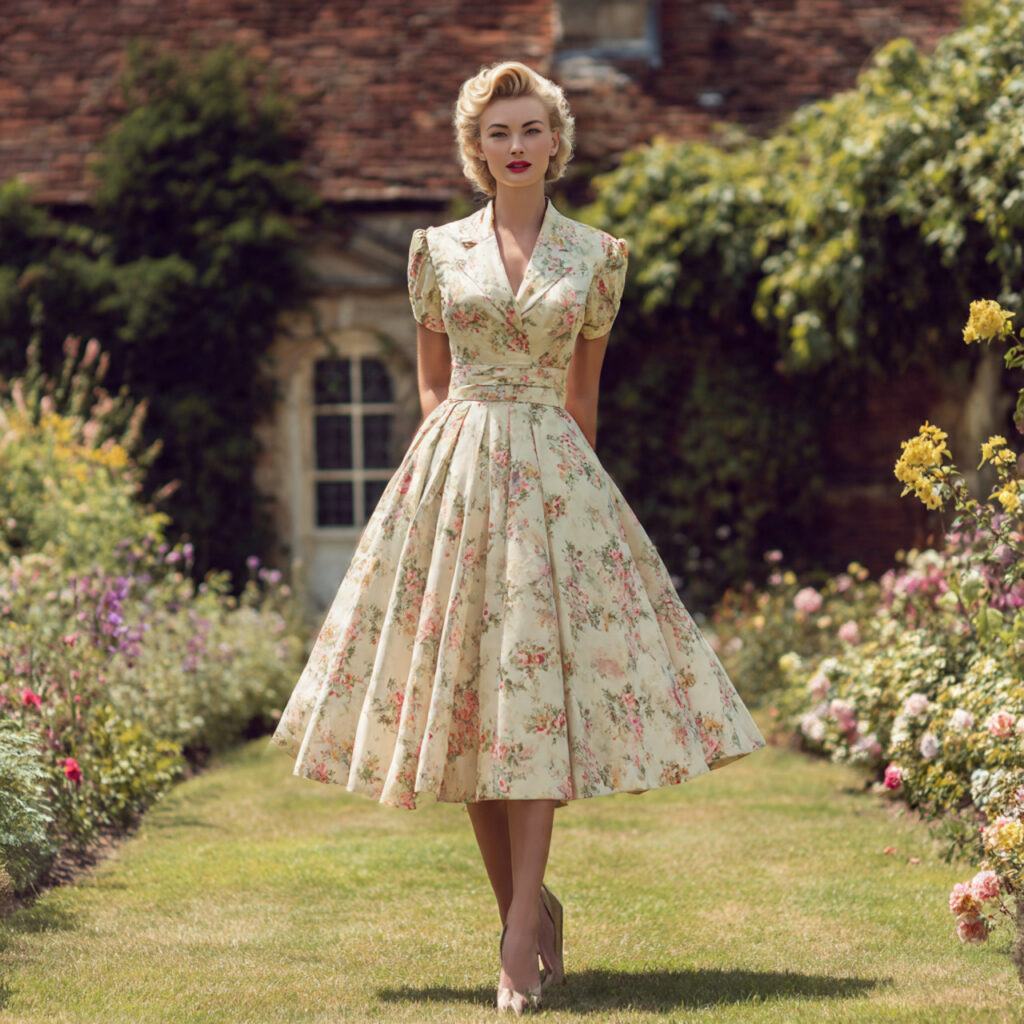
The mid-century tea dress serves as a quintessential example of grace and femininity, offering a silhouette that flatters almost every figure. These dresses often feature cinched waists and flowing skirts that hit just below the knee, creating an effortlessly polished look that works for garden parties or brunch.
Choosing a tea dress with delicate floral prints or soft pastel hues can instantly transport your style back to the late 1940s and early 1950s. To keep the look authentic yet approachable, focus on finding high-quality fabrics like silk or lightweight cotton that allow the garment to move naturally as you walk.
Retro Academic Aesthetic
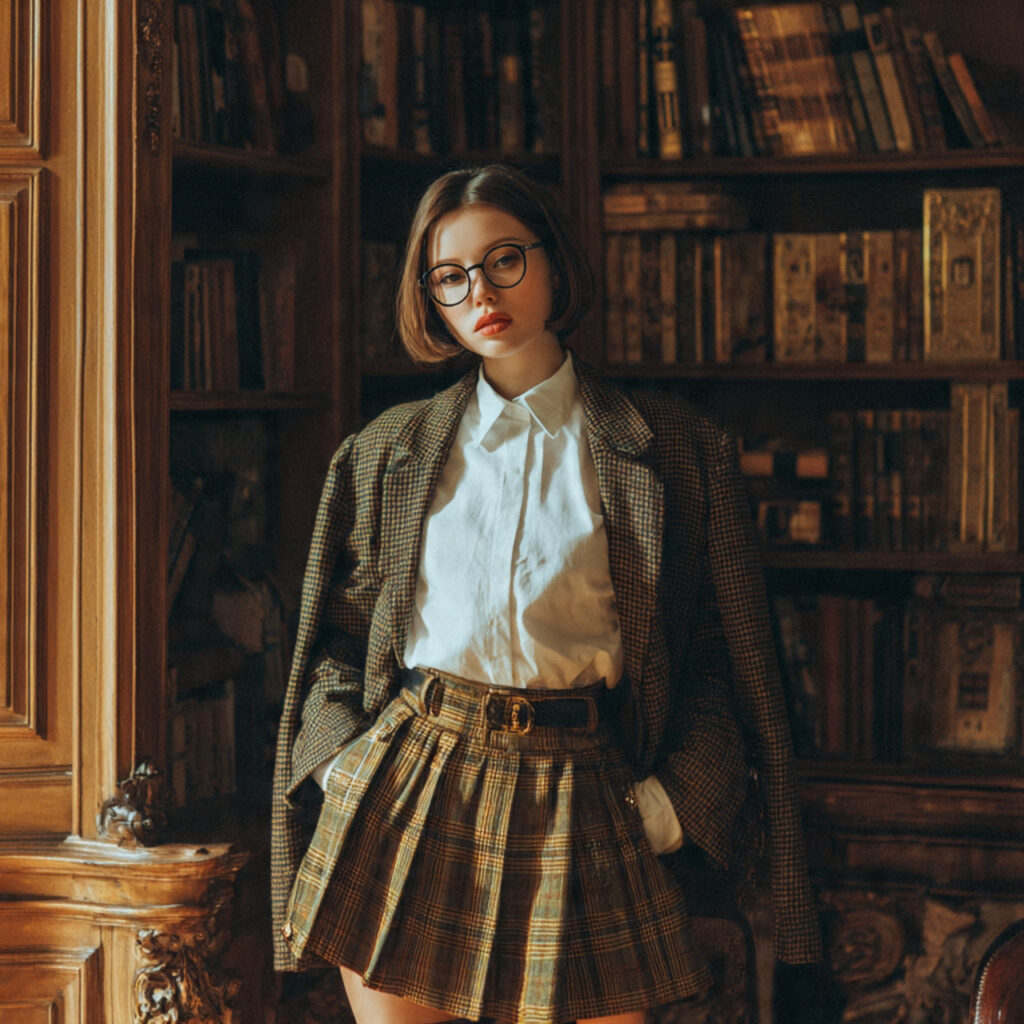
The retro academic aesthetic draws heavily from mid-century university styles, emphasizing a studious yet fashionable look that never truly goes out of fashion. Think of pleated wool skirts, crisp button-down shirts, and oversized blazers that suggest a life spent wandering through historic libraries and lecture halls.
This style is deeply rooted in textures like houndstooth, plaid, and corduroy, which add depth and visual interest to any ensemble. By focusing on a palette of forest greens, deep burgundies, and mustard yellows, you can create a cohesive wardrobe that feels both intellectual and stylish.
Victorian Revival Lace Ensemble
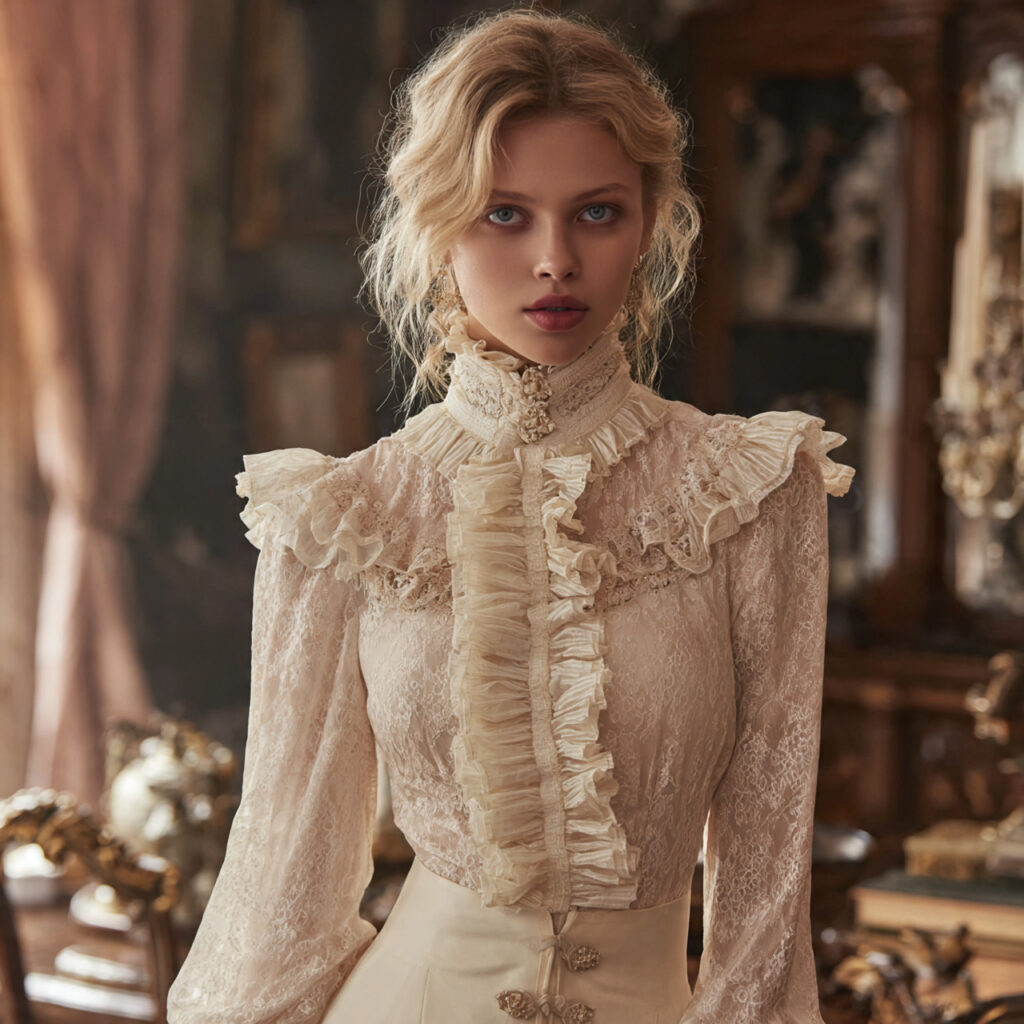
Victorian revival styles often resurface in fashion history, bringing with them a sense of high-neck elegance and intricate lace detailing. These pieces focus on the craftsmanship of the past, featuring delicate ruffles and sheer panels that add a romantic, almost ethereal quality to your overall appearance.
Pairing a high-collared lace blouse with more structured modern trousers can create a stunning contrast that honors the 19th century while remaining wearable today. The key to this look is focusing on the fine details, such as pearl buttons or ribbon ties, which elevate the outfit into something truly special.
Art Deco Evening Glamour
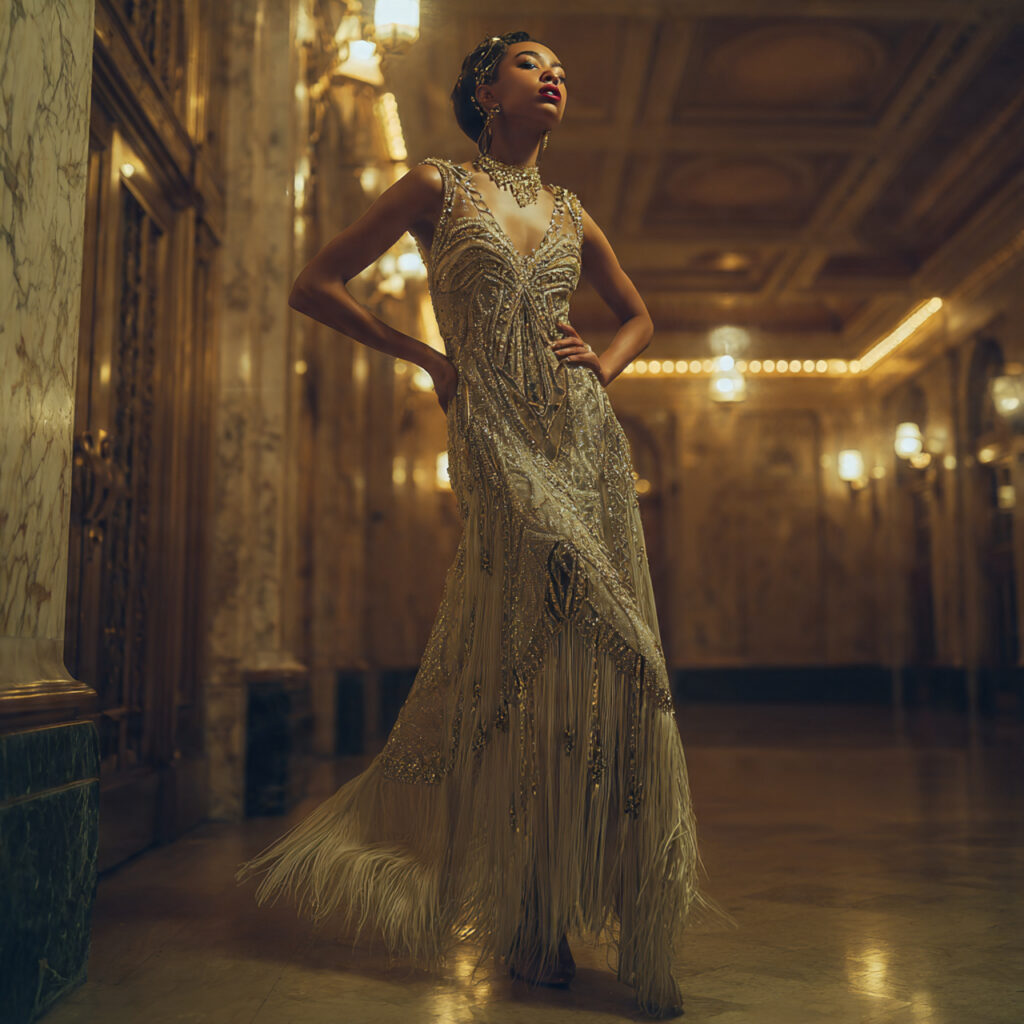
Art Deco evening glamour is all about the opulence and geometric precision of the 1920s, characterized by beaded gowns and sleek, straight silhouettes. This era moved away from the restrictive corsetry of previous decades, favoring movement and a celebratory spirit that is perfect for formal occasions.
To achieve this look, seek out garments with intricate sequins, metallic threads, and fringe that catches the light beautifully. The emphasis should be on luxury and decadence, making it an ideal choice for those who want to stand out at a black-tie event or a sophisticated evening gala.
Mod Shift Dress Silhouette
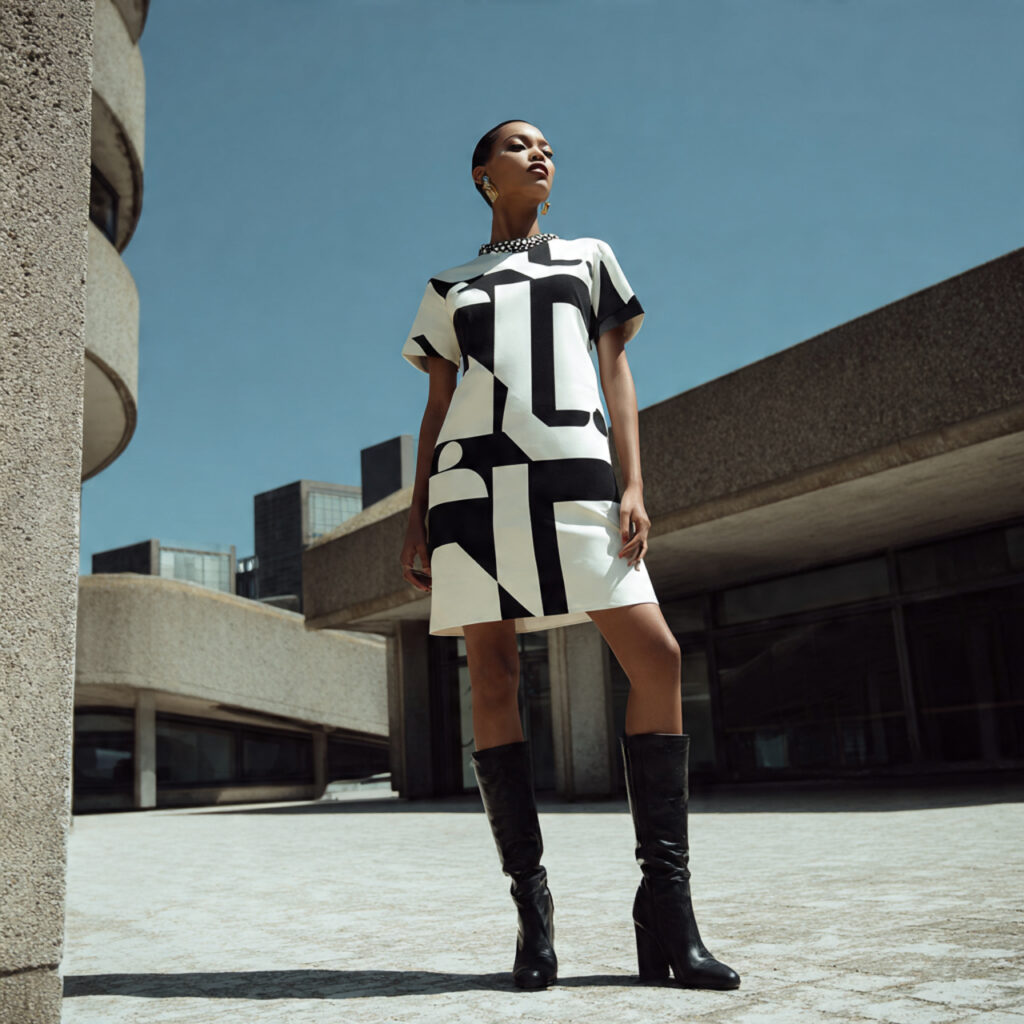
The mod shift dress represents the bold, youthful energy of the 1960s, featuring short hemlines and minimalist, boxy shapes. This style was a radical departure from the structured looks of the previous decade, prioritizing comfort and a sense of modernism that still feels fresh.
Focusing on bright primary colors or stark black-and-white patterns can help you capture the true essence of the mod movement. These dresses are incredibly versatile, working just as well for a day at the office as they do for a night out on the town when paired with the right accessories.
Bohemian Seventies Free Spirit
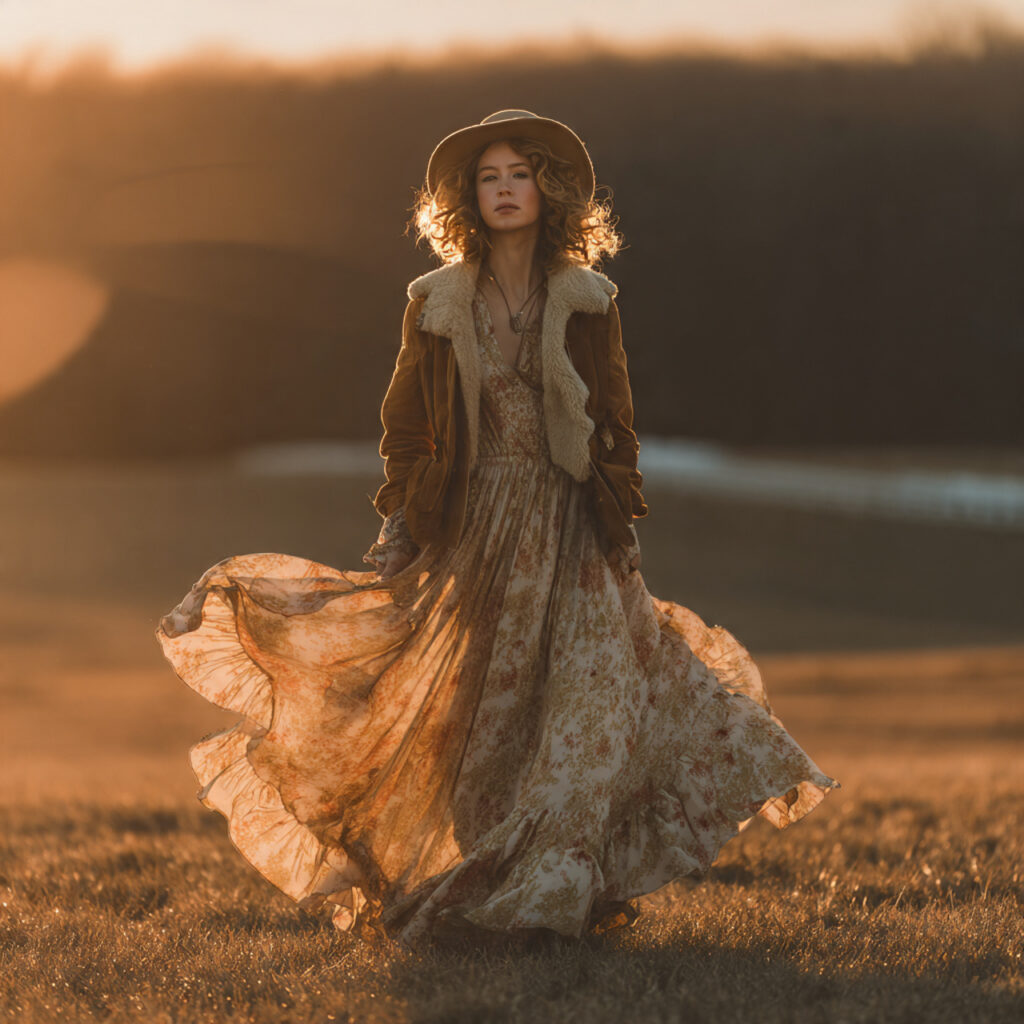
The bohemian styles of the 1970s celebrate freedom and artistic expression through floor-length maxi dresses and wide-leg trousers. This aesthetic is characterized by earthy tones, intricate embroidery, and a relaxed fit that encourages a sense of wanderlust and ease.
Layering different textures, such as suede vests over flowing paisley tops, can help you achieve a multi-dimensional look that feels authentic to the era. The focus is on a carefree attitude, where the clothes feel like a natural extension of a creative and adventurous lifestyle.
Grunge Era Flannel Layering
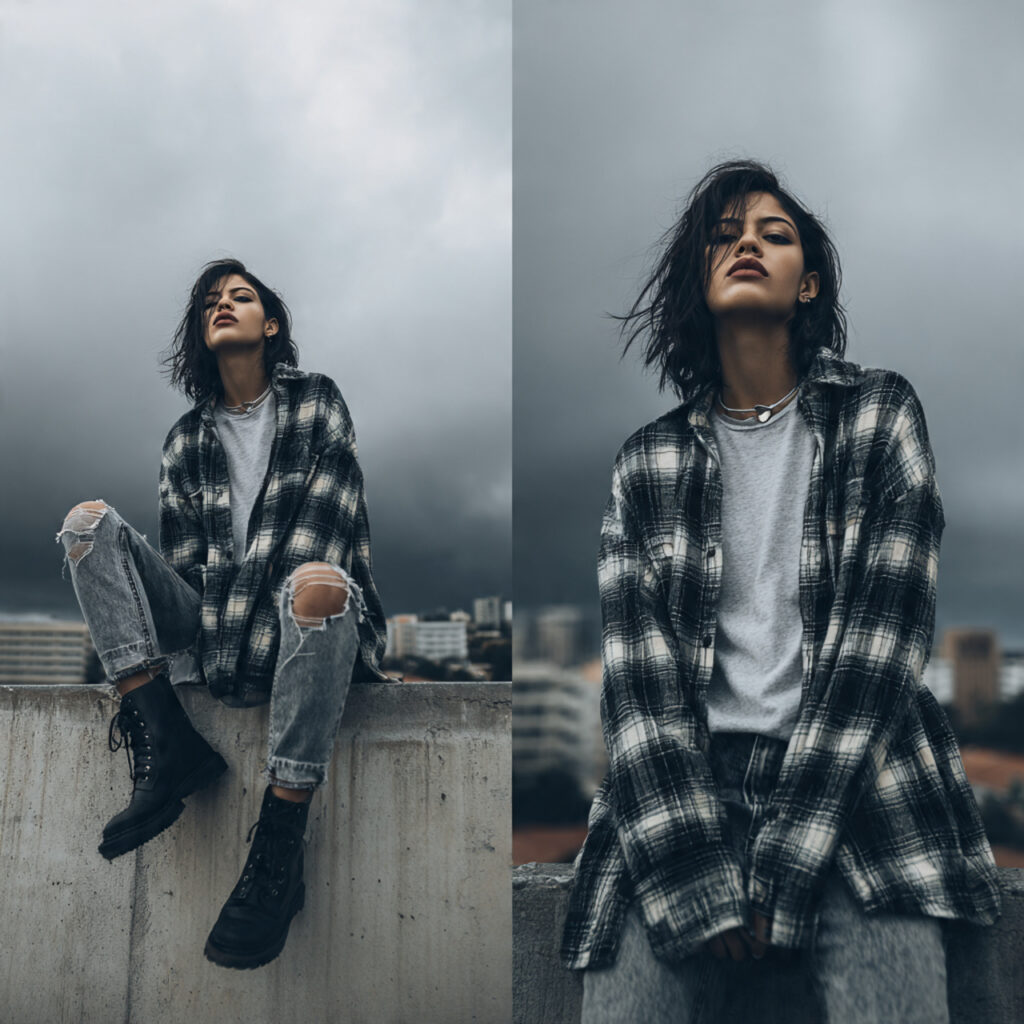
Grunge fashion from the early 1990s brought an intentional edge to the mainstream, prioritizing comfort and a “lived-in” feel through heavy layering. Oversized flannel shirts worn over band t-shirts and paired with distressed denim create a look that is both rebellious and practical.
This aesthetic thrives on a muted color palette and heavy fabrics that provide warmth and durability. By focusing on the juxtaposition of different patterns and the raw edges of the clothing, you can capture the anti-establishment spirit that defined a generation.
Preppy Fifties Cardigan Look
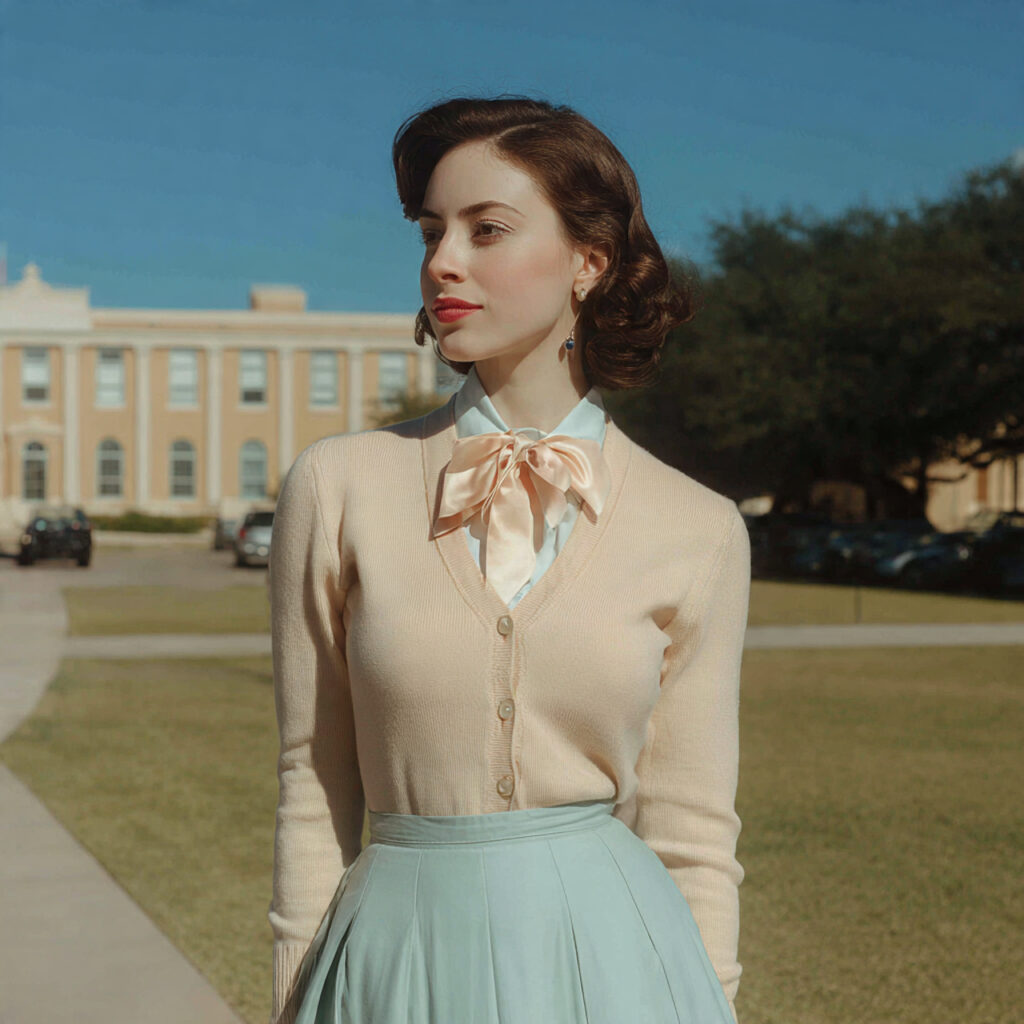
The preppy look of the 1950s is defined by its neatness and classic American style, often centered around a well-fitted cardigan. Usually worn over a simple blouse or a pencil skirt, the cardigan adds a layer of warmth and a pop of color to an otherwise understated outfit.
Look for sweaters with unique embroidery or novelty buttons to add a touch of personality to this traditional ensemble. This style remains a favorite for its ability to look put-together without appearing overly formal, making it a staple for casual social gatherings.
Disco Fever Sequin Styling
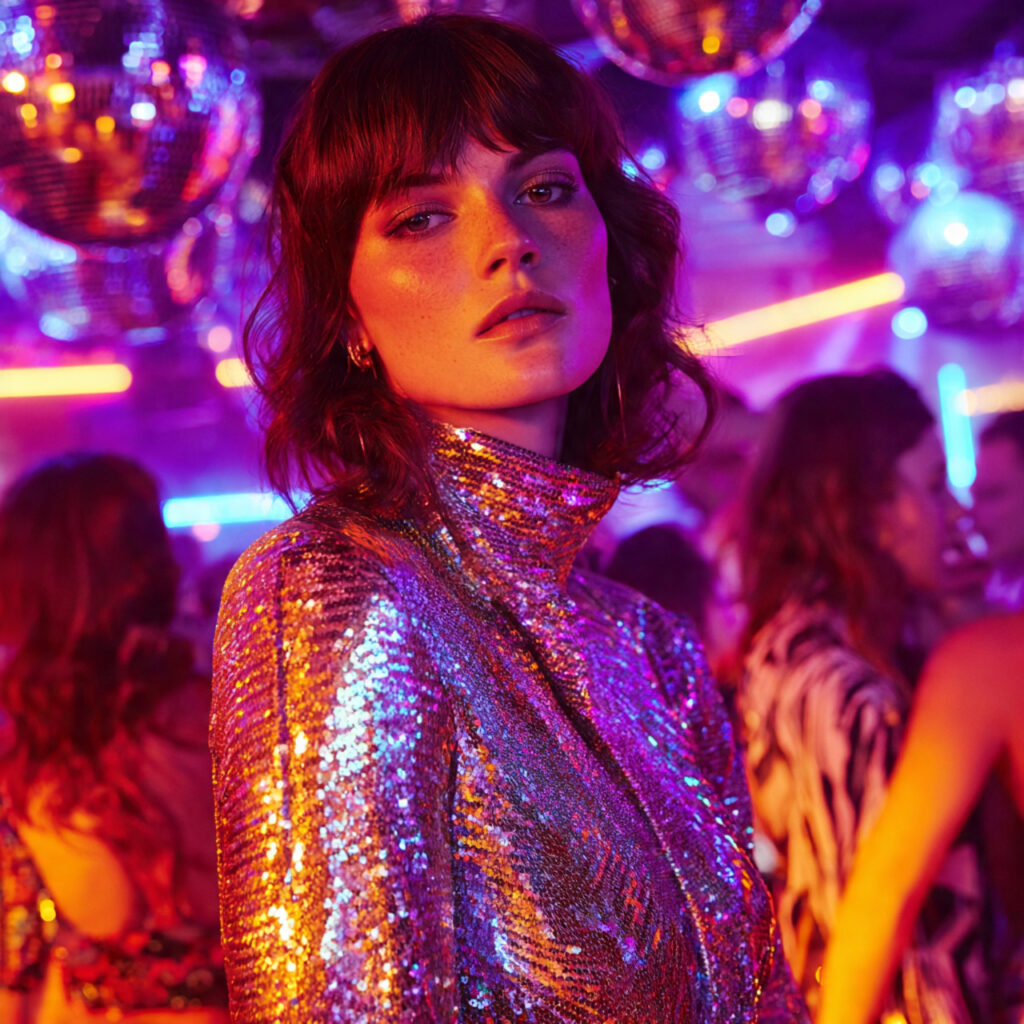
Disco fashion was all about shine, movement, and the high-energy atmosphere of the late 1970s nightlife scene. Sequin-covered jumpsuits and wrap dresses allowed the wearer to shimmer under the dance floor lights, emphasizing a sense of fun and theatricality.
When exploring this style, do not be afraid to go bold with metallic fabrics and exaggerated collars. The goal is to capture the excitement of the era, creating a high-impact look that is guaranteed to turn heads and spark conversation at any party.
Edwardian Blouse Elegance
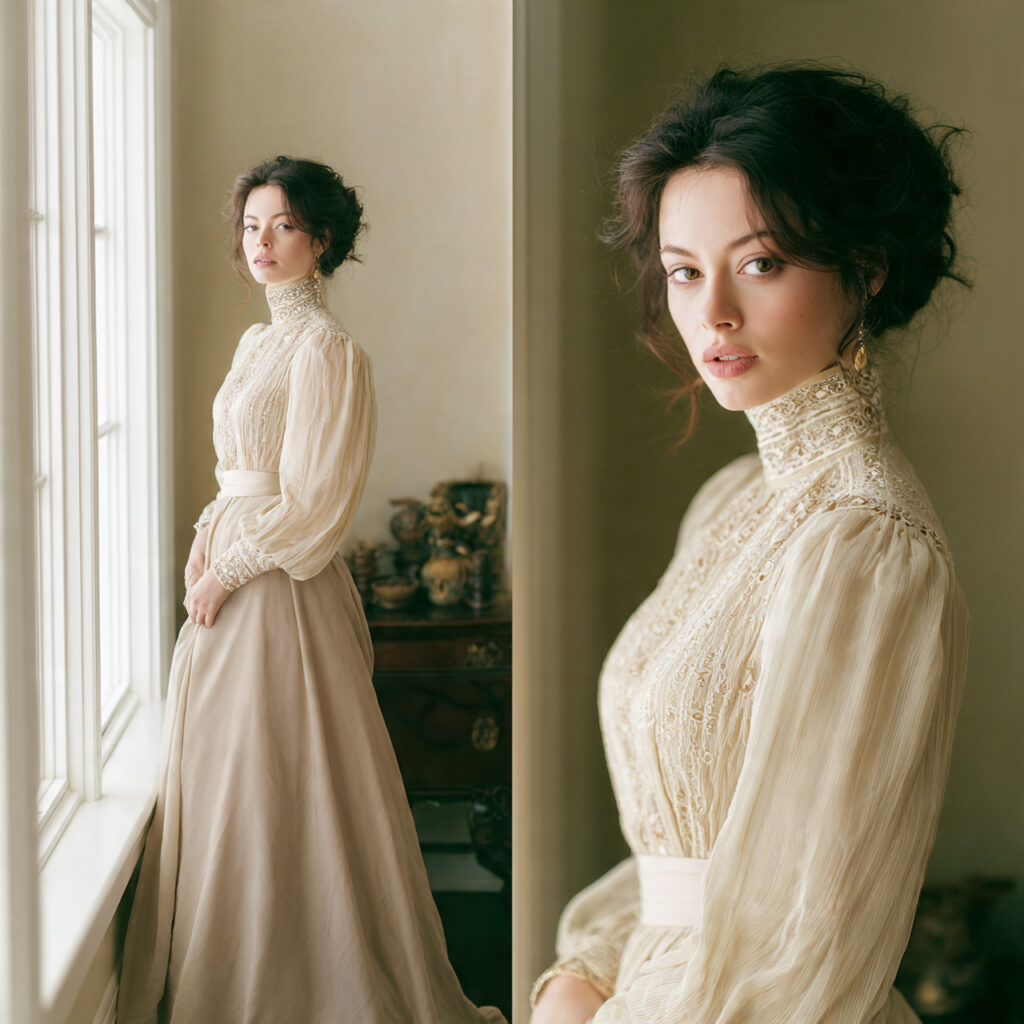
Edwardian blouses, often referred to as “Gibson Girl” tops, feature voluminous sleeves and high collars that create a powerful yet feminine silhouette. These garments are known for their intricate tucks, pleats, and lace inserts, showcasing a level of detail that is rare in modern mass-produced clothing.
Integrating an Edwardian-style blouse into your wardrobe can add a sense of historical weight and sophistication to your daily look. These pieces work exceptionally well when tucked into high-waisted skirts, emphasizing the dramatic proportions that were popular at the turn of the century.
Rockabilly Polka Dot Concept
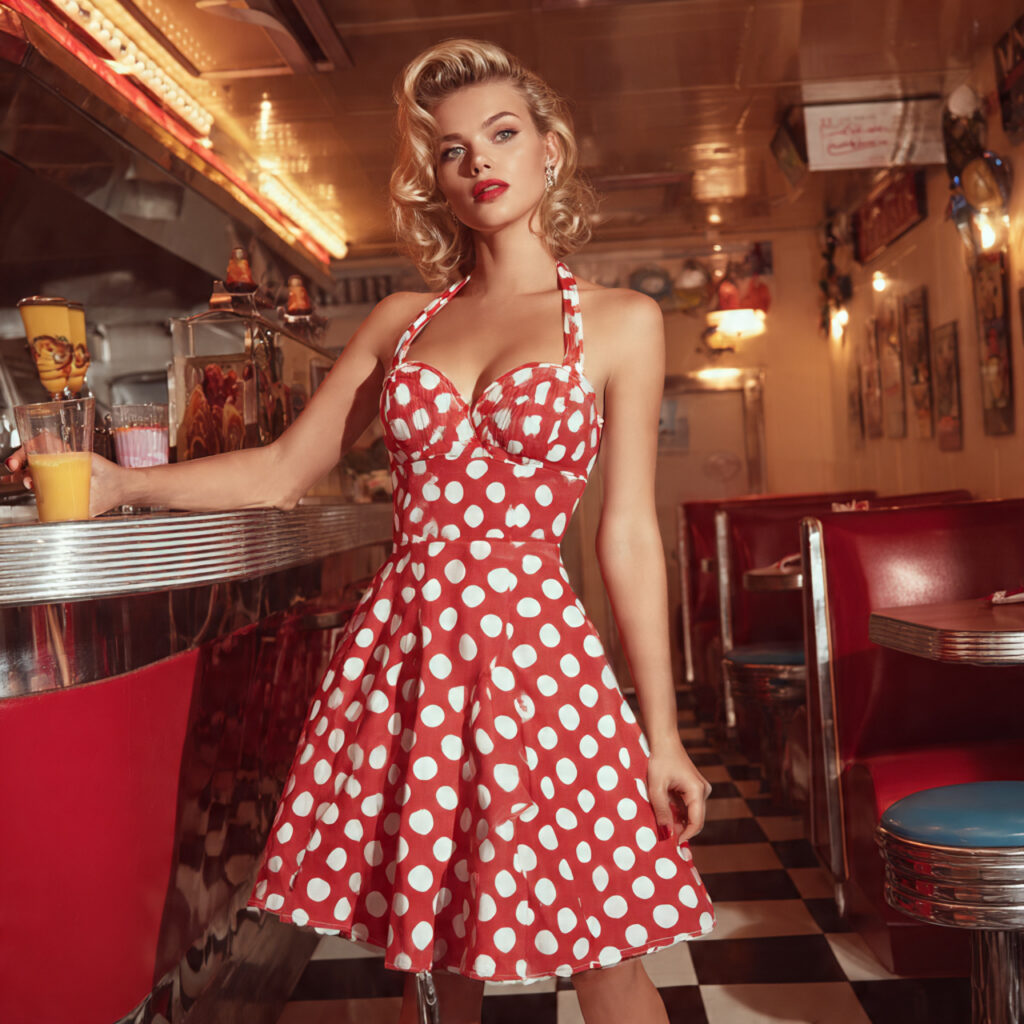
Rockabilly style blends 1950s Americana with a rebellious country-swing attitude, often featuring the iconic polka dot pattern. Halter-neck dresses with full circle skirts are a hallmark of this look, designed to move beautifully while dancing to early rock and roll.
The combination of bright red, black, and white creates a high-contrast visual that is both playful and striking. This aesthetic encourages a bold approach to fashion, where the wearer embraces vibrant prints and a confident, energetic persona.
New Look Hourglass Fashion
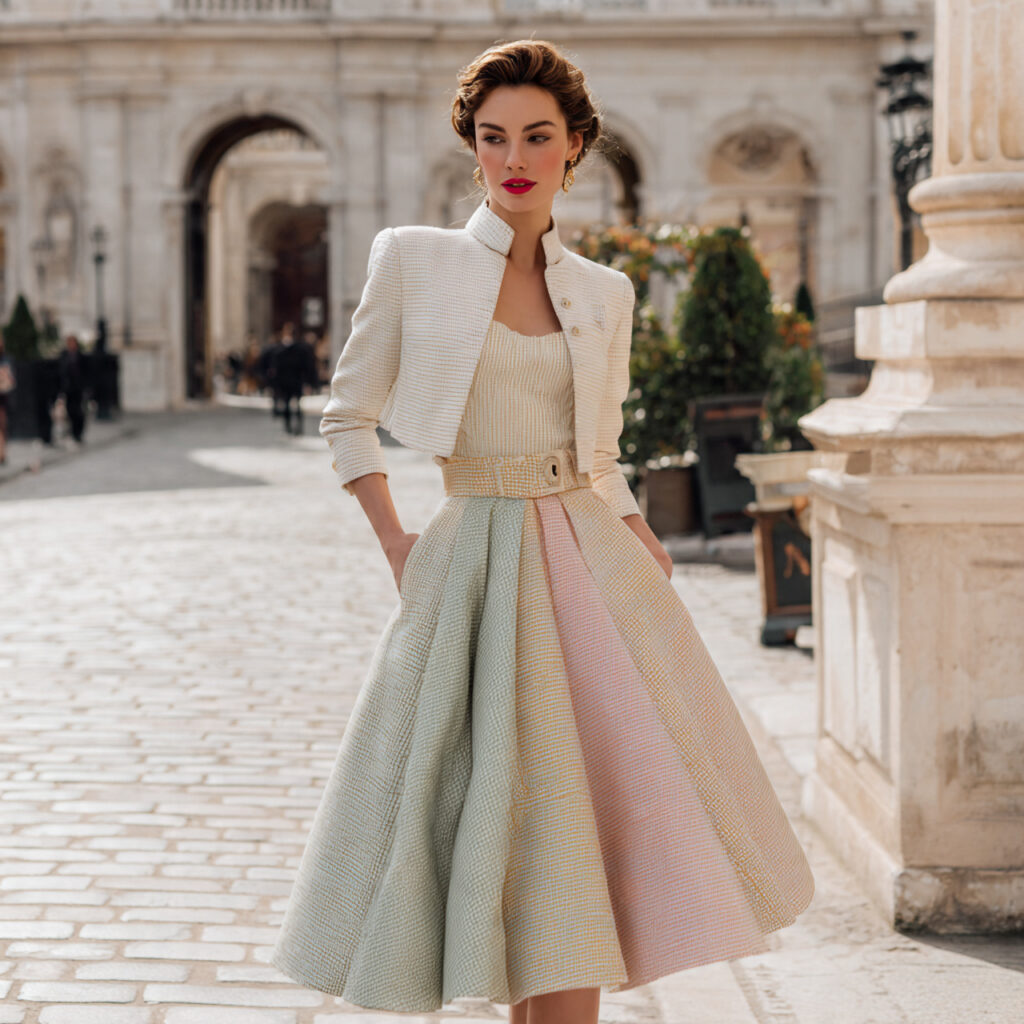
Christian Dior’s “New Look” revolutionized the post-war era by reintroducing the hourglass figure through padded hips and incredibly narrow waists. This style focuses on architecture and structure, using heavy fabrics to create dramatic shapes that exude luxury and poise.
To channel this inspiration, look for blazers with peplum waists and full, pleated skirts that provide a sense of volume. The New Look is the epitome of mid-century glamour, offering a masterclass in how tailored garments can transform the human form into a work of art.
Psychedelic Sixties Pattern Play
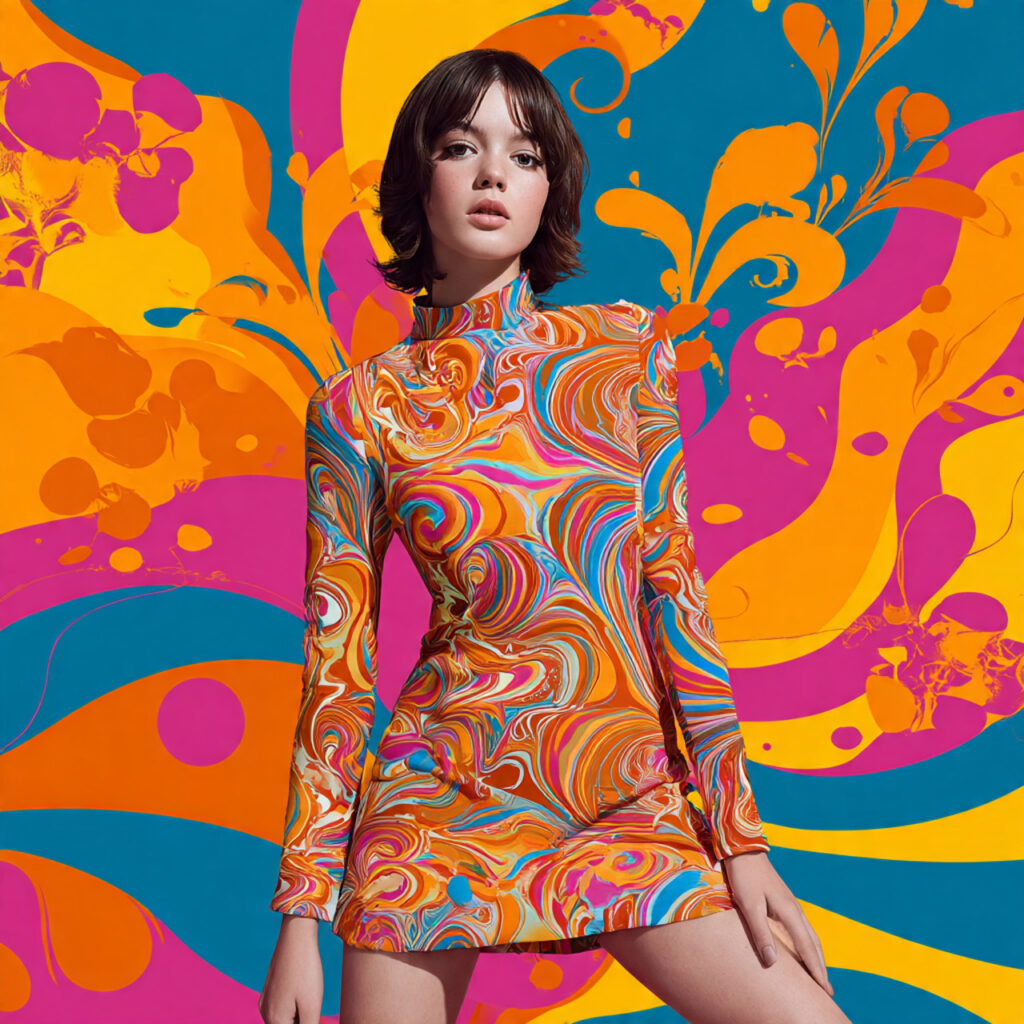
The late 1960s saw an explosion of color and complex patterns, as fashion began to reflect the experimental culture of the time. Psychedelic prints often feature swirling shapes and neon hues that challenge traditional notions of color coordination and balance.
Embracing this style means letting go of subtlety and leaning into the vibrant, chaotic energy of the era. Whether it is a mini dress or a patterned silk scarf, these pieces act as a visual statement of creativity and a rejection of the status quo.
Jazz Age Flapper Influence
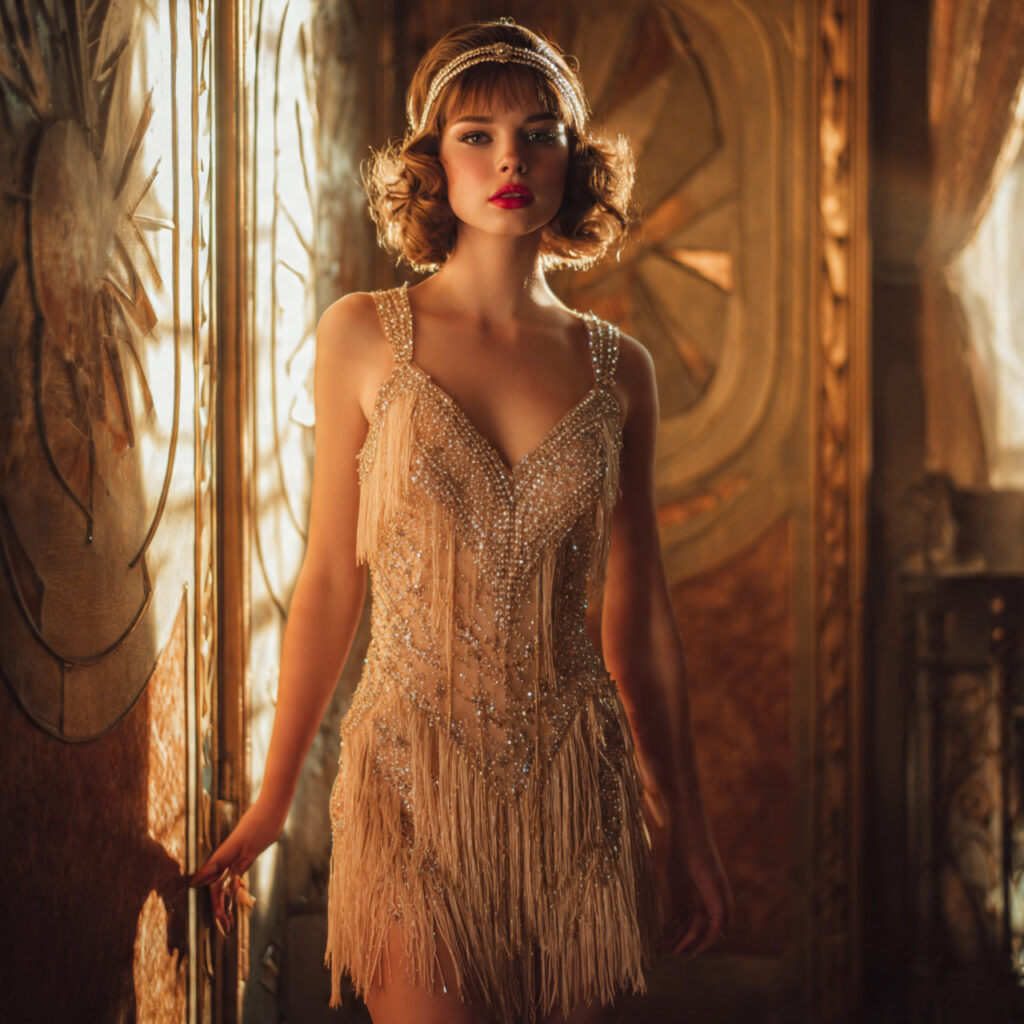
The flapper style of the 1920s represented a massive shift in women’s fashion, moving toward a dropped waist and a more boyish, athletic frame. These outfits were designed for the modern woman who wanted to dance the Charleston and enjoy a newfound sense of social freedom.
Focusing on knee-length hemlines and sleeveless designs allows for a look that is both historic and surprisingly contemporary. The use of beads, silk ribbons, and feathers adds a tactile element to the outfit, reflecting the vibrant nightlife of the roaring twenties.
Utility Chic Forties Workwear
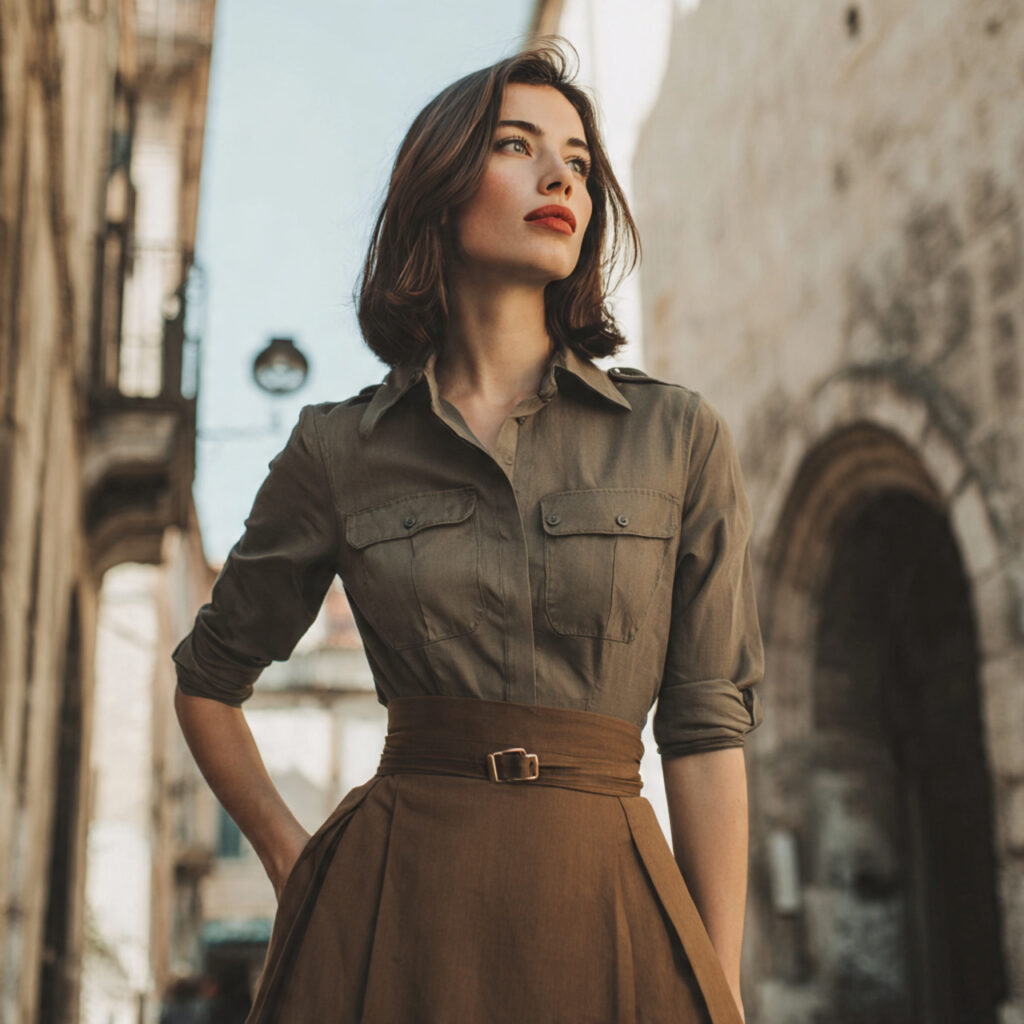
During the 1940s, fashion became more practical and streamlined due to fabric rationing, leading to the rise of utility chic. This style features strong shoulders, functional pockets, and simple lines that prioritize durability without sacrificing a sense of tailored elegance.
A-line skirts and button-down shirts in navy, olive, or tan capture this wartime aesthetic perfectly. This look is ideal for those who appreciate a clean, minimalist approach to vintage fashion, where the beauty lies in the functionality and the crispness of the silhouette.
Eighties Power Dressing Statement
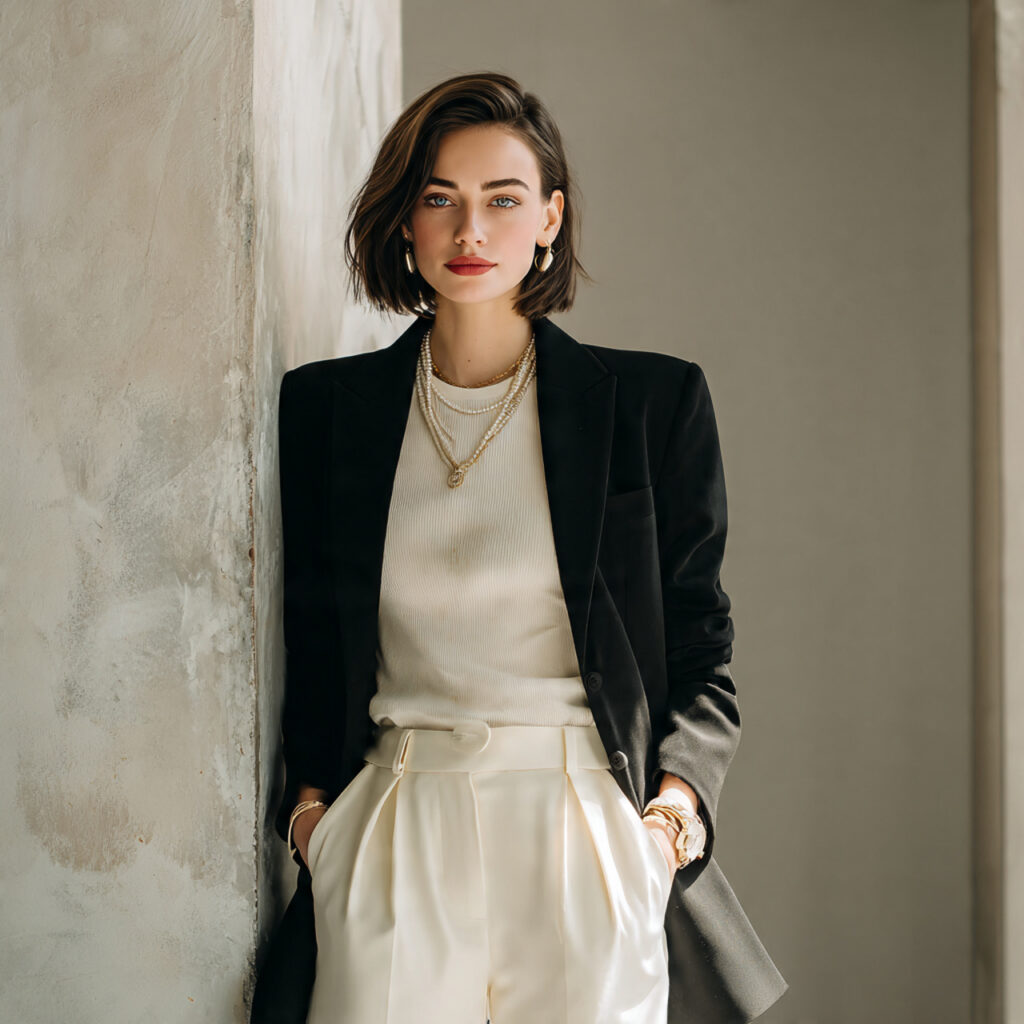
Power dressing in the 1980s was all about commanding attention in the workplace through exaggerated shoulder pads and bold tailoring. This era used fashion as a tool for empowerment, featuring sharp-edged blazers and high-waisted trousers that conveyed a sense of authority and confidence.
To bring this into a modern context, look for vintage blazers with substantial structure and pair them with sleek, simple accessories. The goal is to create a silhouette that feels strong and intentional, reflecting the ambitious spirit of the decade.
Regency Core Romanticism
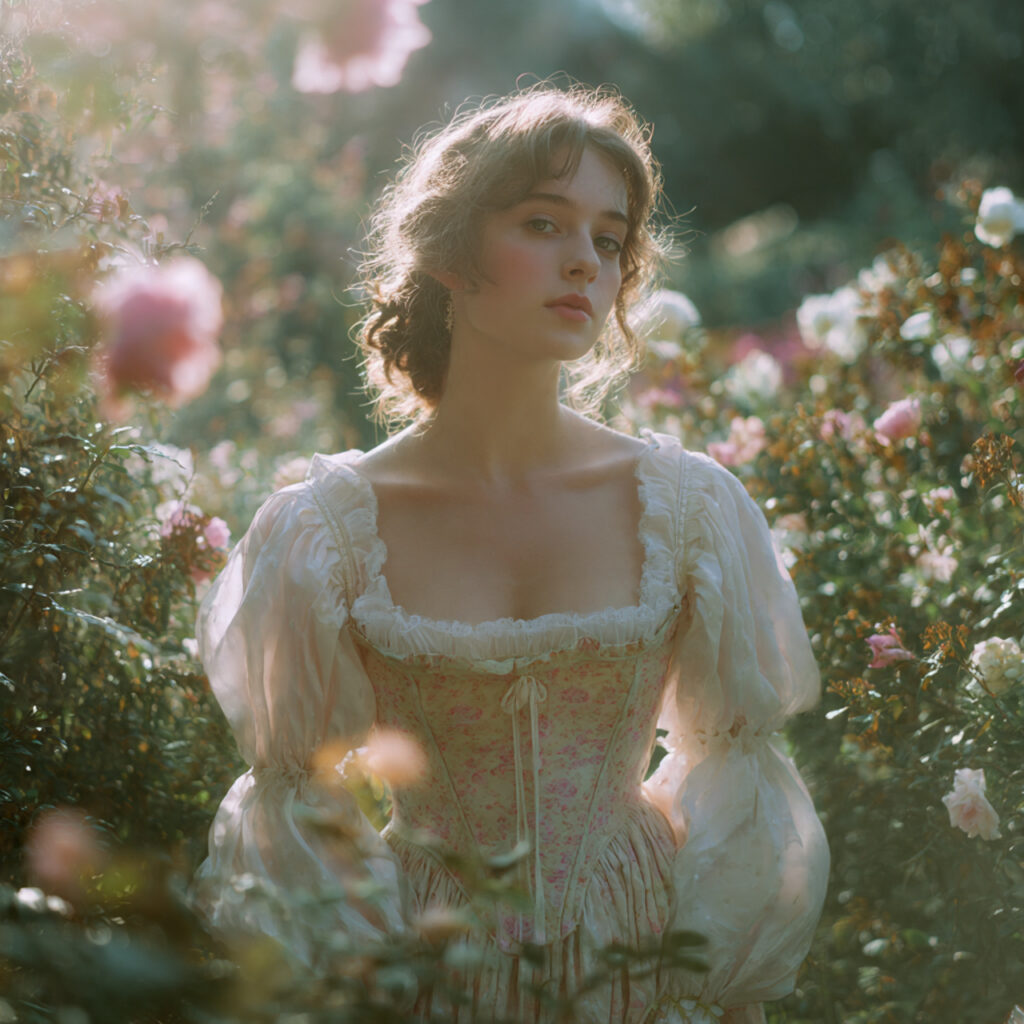
Regency core draws inspiration from the early 19th century, focusing on empire waists and soft, breathable fabrics like muslin and linen. This style creates a high-waisted silhouette that elongates the body and provides a romantic, storybook quality to your wardrobe.
Square necklines and puffed sleeves are essential elements of this look, offering a delicate aesthetic that feels deeply rooted in history. It is a fantastic choice for those who want a whimsical and airy ensemble that feels both comfortable and historically significant.
Beatnik All Black Minimalism
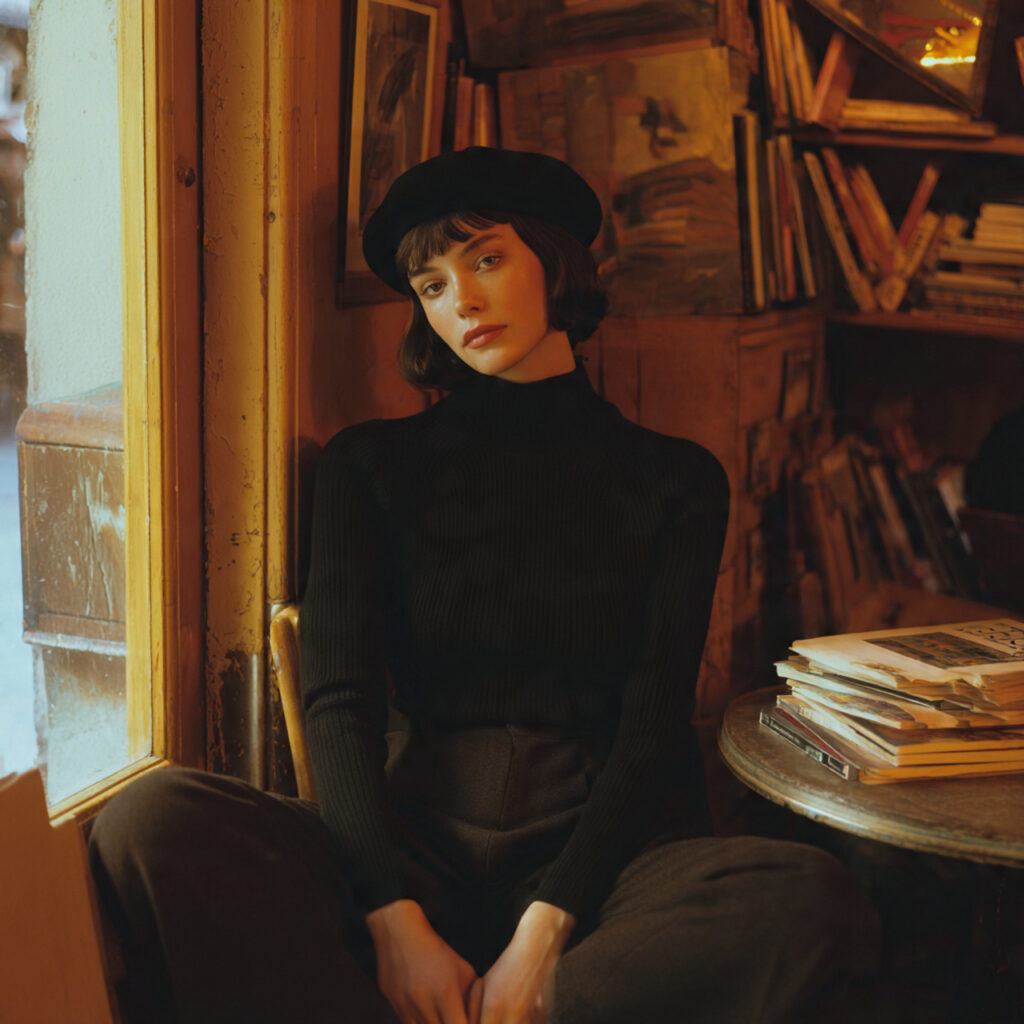
The beatnik movement of the 1950s and early 60s popularized a minimalist, intellectual look that centered almost entirely on the color black. Turtlenecks, slim-fit trousers, and berets became the uniform of the counterculture, signaling a focus on poetry, art, and philosophy.
This style is incredibly easy to replicate and offers a timeless cool that never feels dated. By focusing on the fit of the garments rather than bright colors or patterns, you can create a look that is sophisticated, understated, and endlessly versatile.
Retro Resort Wear Vibes
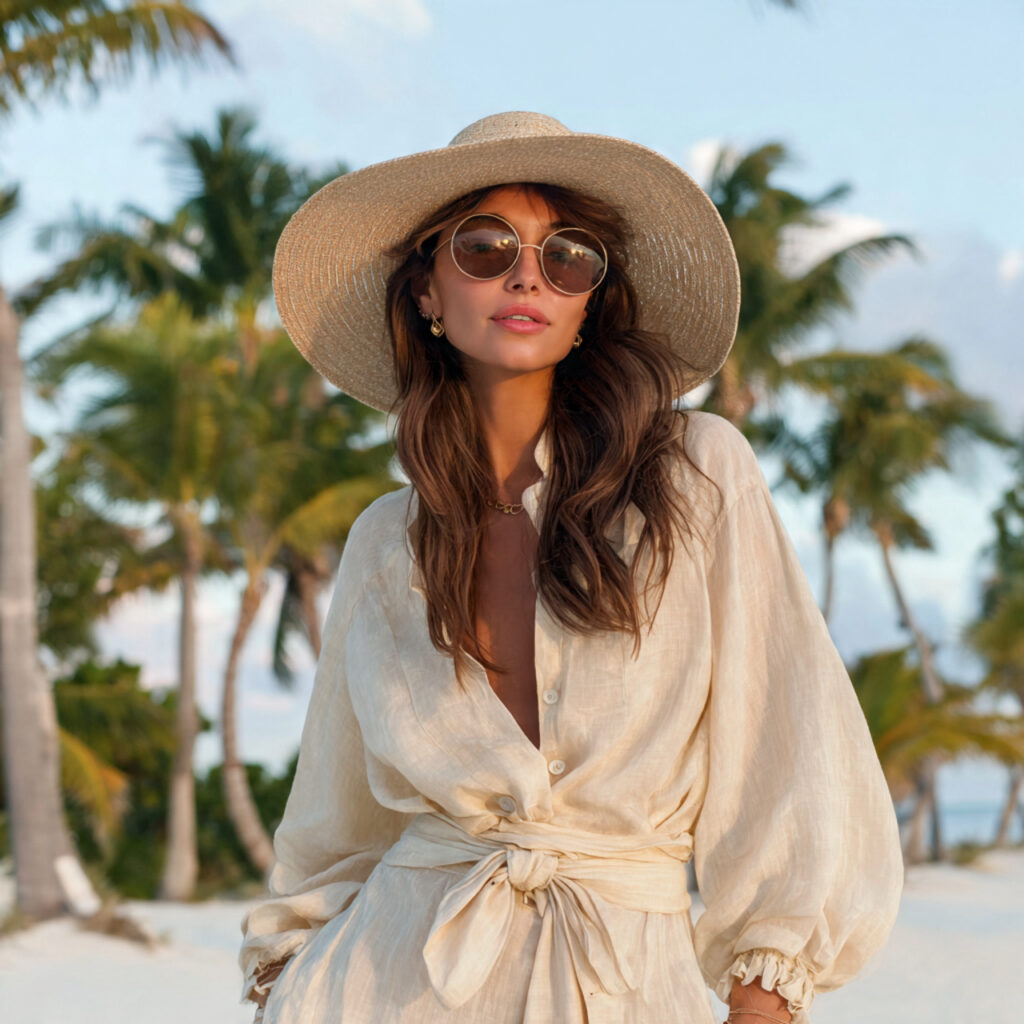
Retro resort wear captures the leisurely spirit of mid-century vacations, featuring high-waisted swimwear, play-suits, and breezy button-down shirts. This aesthetic is defined by its use of tropical prints, stripes, and nautical themes that evoke a sense of sun-drenched relaxation.
Think of linen sets and wide-brimmed hats that provide a polished yet relaxed appearance perfect for summer outings. The focus here is on comfort and a celebratory approach to seasonal dressing, ensuring you look stylish even in the heat of the sun.
Heritage Tweed Country Style
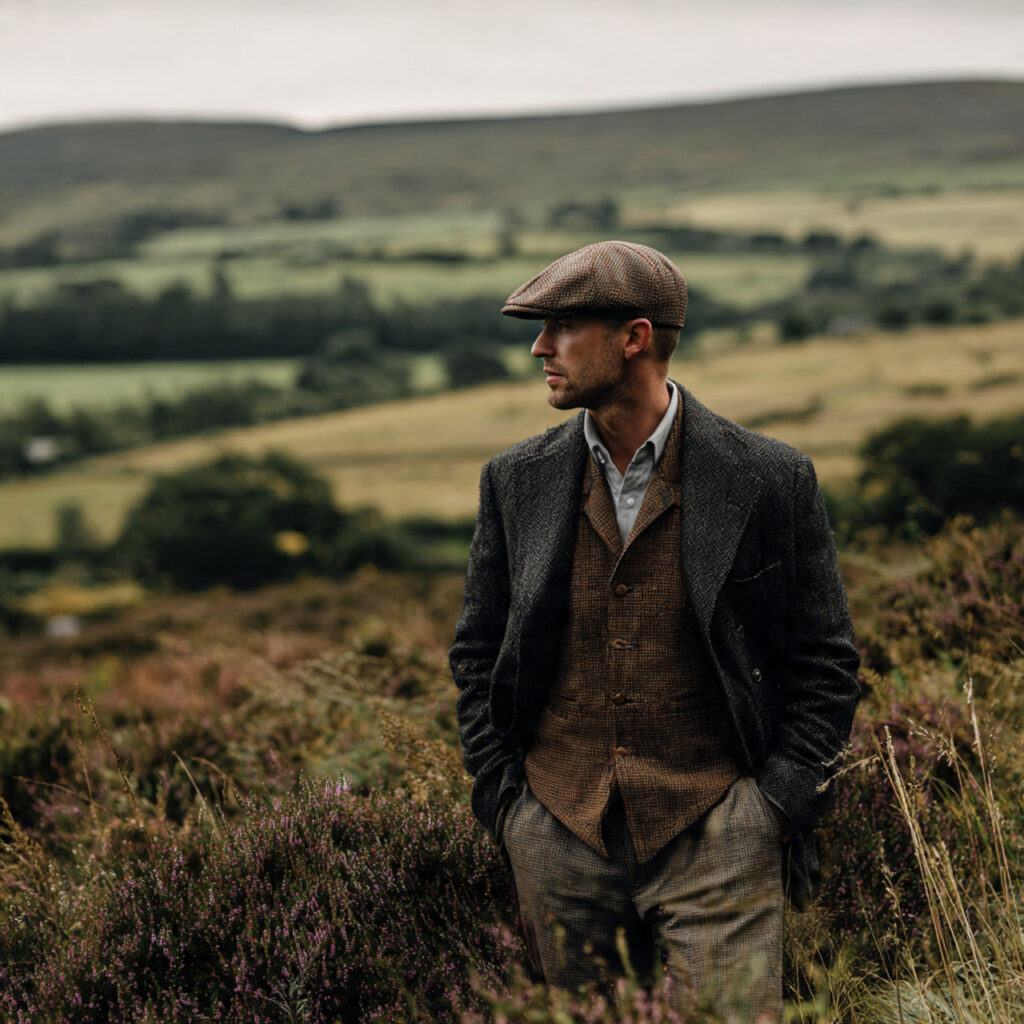
Heritage tweed style looks to the traditional country attire of the British Isles, emphasizing warmth and texture through heavy wools and earthy colors. This look often includes tailored vests, flat caps, and sturdy skirts designed for long walks in the countryside.
The beauty of tweed lies in its durability and the complex weave of colors within the fabric, which provides a rich, tactile experience. This inspiration is perfect for autumn and winter, offering a sense of history and rugged elegance that remains incredibly practical for modern life.
FAQs About Vintage Outfit Inspiration Ideas
Where can I find the most authentic vintage outfit inspiration ideas online?
You can find a wealth of ideas by browsing digital archives of historical fashion magazines or visiting specialized museum websites. Social media platforms like Pinterest and Instagram also feature dedicated vintage communities where collectors share their unique finds and styling concepts.
How do I mix different eras within a single vintage outfit inspiration idea?
Mixing eras effectively requires finding a common thread, such as a similar color palette or fabric texture, to tie the pieces together. For example, pairing a Victorian blouse with 1970s flares works if both items share a romantic, bohemian vibe that makes the transition feel intentional.
Which decades provide the best vintage outfit inspiration ideas for formal events?
The 1920s and the 1950s are generally considered the gold standard for formal inspiration due to their emphasis on high-end glamour. The 1920s offer beaded opulence and sleek lines, while the 1950s provide the classic “Old Hollywood” look with full skirts and structured bodices.
How can I modernize these vintage outfit inspiration ideas for daily wear?
The best way to modernize these concepts is to pair one standout vintage piece with contemporary staples like modern denim or sneakers. This creates a balanced look that acknowledges fashion history without making you feel like you are wearing a theatrical costume during your daily commute.
What are the best color palettes for classic vintage outfit inspiration ideas?
Color palettes often depend on the specific era, such as the jewel tones of the 1920s or the earthy browns and oranges of the 1970s. However, neutral tones like cream, navy, and charcoal are universal across most decades and provide a safe foundation for building any historically inspired ensemble.
Conclusion
Finding the right Vintage Outfit Inspiration Ideas is a journey of self-discovery that allows you to connect with the past while looking toward the future. By moving away from modern trends and looking at the silhouettes of previous decades, you can build a wardrobe that is truly one of a kind.
Ultimately, these Vintage Outfit Inspiration Ideas are meant to spark your imagination and encourage you to play with different textures, shapes, and stories. Let the creativity of those who came before you inspire a new way of dressing that celebrates your personal style and the enduring beauty of fashion history.